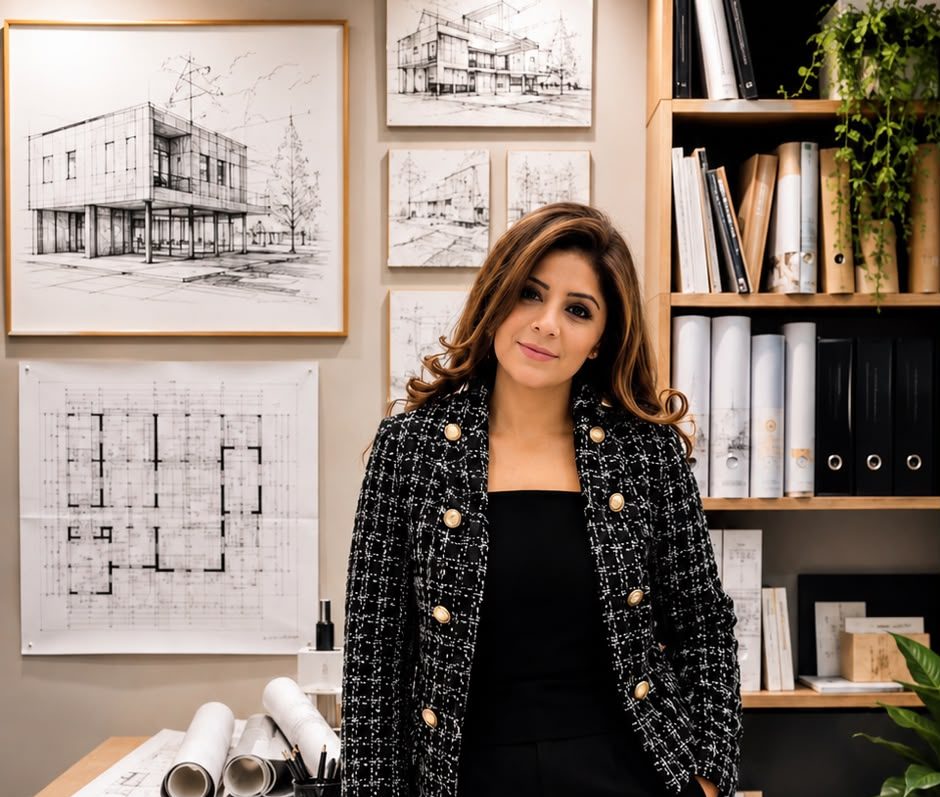
Interiors by Meghna is a Delhi-based, second-generation interior design firm, built on a strong legacy of design, craftsmanship and an understanding of how spaces can shape the way we live and work.
For us, interior design is not just about making a space look beautiful. It is about understanding the people who will inhabit it, their lifestyle, needs and personality, and translating that into a space that feels both functional and deeply personal.
With experience across residential, corporate, hospitality and healthcare spaces, we focus on creating interiors that bring together aesthetics, functionality, craftsmanship and timeless design. Our approach is hands-on, from the initial concept and space planning to materials, furniture, execution and final styling.
Key Services or Products:
Our core services include:
- Turnkey Interior Projects: Managing the entire journey from space planning and design to procurement, execution, styling and final handover.
- 3D Spatial Visualisation: Creating immersive 3D renders and walkthroughs that allow clients to experience and understand their space before execution.
- Furniture Manufacturing: Bespoke furniture and spatial solutions created with a strong focus on quality, detailing and craftsmanship.
What sets us apart is our ability to bring design and execution together. We believe a beautiful concept only works when it is translated correctly on site, down to the smallest detail.
Notable Projects or Achievements:
Over the years, Interiors by Meghna has worked across a diverse portfolio of residential, corporate, healthcare and commercial spaces.
Some of the notable projects include Godfrey Philips corporate offices, Colorbar, Modicare, Nuteck Packaging, the Embassy of Mauritius, Magnum Aviation, LNJ Bhilwara Group, Pearl Global corporate offices, MASSH Hospitals, as well as private residences. The firm has also undertaken projects in London, Dubai and Bangkok, bringing a global perspective into its design language.
Our journey has also evolved from furniture manufacturing and bespoke spatial solutions to incorporating technology through 3D visualisation, allowing clients to experience their spaces before they are built.
Interview Questions
1. What are the biggest interior design mistakes homeowners should avoid?
One of the biggest mistakes is designing a home around trends rather than around the people who live in it.
A beautiful reference image may look great, but it may not necessarily work for your lifestyle, your family or your space. I also see homeowners trying to fit too many things into a room, choosing furniture that feels out of place, or focusing on individual pieces without thinking about how the entire home comes together.
Another common mistake is compromising on functionality for aesthetics. A home should look beautiful, but it also needs to work effortlessly in everyday life.
My advice is to first understand your space, your requirements and your lifestyle, and then build the design around those things. Good design should feel natural, not forced.
2. How can you make a small home look spacious and luxurious?
A small home doesn’t necessarily need more things. It needs better planning.
I would start with the layout and circulation, because when the movement within a space is planned well, the home immediately feels more open. Using a consistent colour palette, well-proportioned furniture and thoughtful lighting can also make a significant difference.
Storage is another important element. Well-designed, integrated storage helps keep visual clutter away without making the home feel heavy.
And luxury doesn’t necessarily mean using expensive materials everywhere. Luxury is often about proportion, detailing, quality and restraint. A few well-selected materials, beautiful textures, good lighting and carefully chosen furniture can make even a compact home feel beautiful, warm and inviting.
3. What should you consider before starting an interior design project?
Before starting, you need clarity on three things: how you live, what you need and what you want to invest.
I would recommend understanding your lifestyle first. Who is going to use the space?
What are your storage requirements?
How do you entertain?
Do you work from home?
Are there children or pets?
These seemingly small details can completely change the design.
Then comes the budget and scope. It is important to establish a realistic budget early and understand where you want to prioritise quality.
Finally, have a clear conversation with your designer about your aesthetic preferences, expectations and timelines. A good design process starts with good communication and planning, long before any material is selected.
4. How do you choose the right colours, materials and furniture for a timeless interior?
I always believe that a timeless interior starts with a strong foundation rather than following every trend.
For colours, I prefer creating a palette that feels connected throughout the home and then introducing personality through accents, artwork, fabrics or accessories.
When selecting materials, I look at their quality, texture, longevity and how they will age. Materials should not just look beautiful on day one. They should continue to feel relevant years later.
Furniture needs to be selected according to the scale and architecture of the space. Proportion is extremely important. A beautiful piece of furniture can look completely wrong if it is too large or too small for the room.
Ultimately, a timeless interior is about finding the balance between what is current and what has lasting appeal.
5. What is the difference between hiring an interior designer and doing interiors yourself?
Doing interiors yourself can be exciting, especially when you have a strong sense of what you want. But an interior designer brings experience, planning and execution expertise to the process.
A designer looks at the space as a whole. From planning the layout to choosing materials, lighting and furniture, every element needs to work well together.
Another major advantage is coordination. In a turnkey project, the designer manages everything from procurement and contractors to on-site work and final styling.
So, it is not just about choosing your furniture or colours. It is about having someone who can
understand your vision, bring it to life and manage the project from start to finish.
6. How can you plan your interior budget without compromising on quality?
I always recommend prioritising rather than trying to spend equally on everything.
Start by identifying the elements that are important for the functionality and longevity of the home. For example, good-quality flooring, hardware, kitchen systems, wardrobes, furniture and lighting can be worth prioritising because they are used thoroughly.
You can then balance the budget with elements where you have more flexibility, such as accessories or decorative pieces.
Another important point is to plan the entire project before execution begins. Last-minute changes and unplanned purchases are often what push budgets out of control.
A good designer should be able to work with a client’s budget and find the right balance between quality, aesthetics and practicality, rather than simply increasing the spend.
7. What interior design trends are worth following, and which ones may go out of style quickly?
I think the best trends to follow are the ones that improve the way we actually live.
For example, warmer and more personalised interiors, natural textures, thoughtful lighting, multifunctional spaces and a stronger connection between functionality and aesthetics are trends that I believe have longevity.
But I would be careful about designing an entire home around very specific trends. Extremely bold colours, overly themed interiors or a particular decorative style can become dated quickly.
Instead, I prefer using trends through elements that are easier to change, such as artwork, cushions, accessories or accent pieces.
The goal should not be to create a home that looks fashionable today. It should be to create a home that still feels beautiful and relevant years from now.