C
Company Introduction
Hey! I’m Tanisha Bansal Gokharu, principal designer and founder of Signature Interiors by Tanisha Bansal. My journey into interior design began when I was 16, when I made an early decision to pursue hands-on experience in designing real spaces. I started small, working on projects for my family and relatives, and soon, through word of mouth, I was designing for their friends too.
By the time I turned 18, the challenges had grown, but so had my determination. One of my first major milestones was managing a 6,500-square-foot bungalow — all while attending lectures. My days ran from 9 a.m. to 3 p.m. on-site, followed by classes from 3 p.m. to 9 p.m. Over the next three years, I completed more than twenty projects, from single bathrooms to compact city apartments.
Today, I lead Signature Interiors by Tanisha Bansal (Aesthetica), a full-service design firm based in Chembur, Mumbai, with a portfolio of 100+ completed projects across India, spanning both residential and commercial spaces. We’re a team of 25+ professionals, including senior and junior designers, engineers, taskmen, and 3D visualizers. With a collaborative, detail-oriented approach, we specialize in crafting timeless, functional spaces that are grounded in real-life usability and visual impact.

Our design philosophy is rooted in timelessness, intention, and adaptability. Every project begins with deep listening: understanding how our clients live, work, and feel in a space. From there, we blend thoughtful layouts, material honesty, and bespoke details to create designs that are both elevated and functional.
I’m deeply passionate about bridging the gap between creativity and business in the design industry. That’s why I’ve developed a range of digital templates — like step-by-step guides and process documents — to support both new and experienced designers. These resources are designed to simplify complex parts of the job, like client onboarding, contracts, and site coordination, helping designers focus more on what they love: designing.


To take a trivial example, which of us ever undertakes laborious physical exercise, except to obtain some advantage from it?
Interview Questions
- What are the top interior design trends that homeowners should consider for their home this year?
This year, it is all about warmth, texture, and personality. We’re seeing a move toward rich, moody spaces with layered materials like stone, wood, and plush textiles. People are choosing handmade, meaningful pieces over fast furniture, and nature-inspired colours like deep greens and ocean blues. There’s also a trend of designing more immersive, emotionally resonant rooms that really feel like home. It’s less about following trends and more about creating something timeless that reflects who you are.
- How can homeowners incorporate sustainable materials and practices into their home design
It’s actually easier than most people think. You can start by picking materials that last a long time, like bamboo flooring, reclaimed wood, recycled metal, or natural stone. You can also swap plastic-based decor for natural fibres like linen, jute, or cork. Energy-efficient lighting, proper insulation, and water-saving fixtures go a long way, too. Using second-hand furniture or reclaimed wood is a great way to reduce waste and still get a unique look. Even working with local artisans or sourcing from nearby suppliers helps reduce your design footprint. It’s really about making smart, mindful choices that are better for the planet and your home.
- What are some expert tips for optimizing space in small apartments or homes?
When space is tight, smart design makes all the difference. Look for multi-purpose furniture that doubles up, like beds with storage underneath or coffee tables that open up. Vertical space is your best friend too; wall-mounted shelves or tall storage units can free up floor space and make the room feel bigger. Mirrors are great for bouncing light around and creating the illusion of more space. And keep things clutter-free — a tidy home always feels more spacious, no matter the size.
- How can homeowners use colour and texture to create a cohesive look throughout their home?
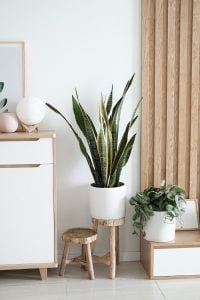
To create a cohesive look, start with a colour palette that flows from room to room. Use different shades of the same colour or complementary tones for a connected feel. For texture, mix materials like plush cushions, woven rugs, and wooden furniture for variety. You can even experiment with wall textures, like textured paint, to add depth and make a room feel more dynamic. Stone, brick, or even fabric wall coverings like velvet or linen can create a tactile experience and visually tie your space together. These layers of texture add richness and help keep the design balanced, creating a cozy yet stylish atmosphere throughout your home.
- What are some budget-friendly design tips for updating the entire home?
Updating your home doesn’t have to break the bank. Start with small changes that make a big impact, like swapping out old light fixtures or updating hardware on cabinets and doors. A fresh coat of paint is one of the easiest and most affordable ways to transform a room. You can also shop second-hand for furniture or try DIY projects to breathe new life into existing pieces. Lastly, adding plants or textiles like throw pillows, rugs, or curtains can change the vibe of any space without a hefty price tag.
- What are the best lighting solutions for creating a warm and inviting atmosphere in every room?
To create a warm, inviting atmosphere, layer your lighting. Start with soft ambient lighting, like warm-toned overhead lights or wall sconces. Then, add task lighting like reading lamps or pendant lights over key areas. Finally, accent lighting, like under-cabinet lights or picture lights, adds depth and coziness. Always choose dimmable options, so you can adjust the light levels to suit the time of day or the mood you’re going for.
- How can homeowners create a dedicated home office space that blends seamlessly with the rest of the home?
The key is to treat your home office like any other room in your house — match its style, colour palette, and materials to what you’ve used elsewhere. Choose a desk and chair that complement your existing furniture rather than standing out. Built-in shelves or compact workstations can help it blend into living rooms or bedrooms without feeling out of place. Good lighting and some personal touches, like art or indoor plants, make the space feel warm, not just functional.
- What are some design tips for creating a family-friendly home that is both stylish and practical?
It’s all about finding that sweet spot between beauty and function. Start with durable, easy-to-clean materials like washable paint, stain-resistant fabrics, and rounded-edge furniture. Smart storage is a game changer too; built-ins, benches with hidden compartments, or baskets help keep clutter in check. Use soft rugs and warm lighting to create a cozy feel, and don’t be afraid to mix style with practicality — like using fun, kid-friendly colours in a way that still feels grown-up. A family-friendly home should work hard, but still look good doing it. - How can homeowners personalize each room in their home with unique decor elements without overwhelming the design?
Start with a neutral base — it gives you flexibility and keeps things feeling calm. Then, add a few meaningful touches in each room. In the living room, maybe it’s a bold rug or a piece of art you really love. In the bedroom, soft throws, framed photos, or a scented candle can make it feel personal. Kitchens are great for displaying pretty dishware or cookbooks, and even bathrooms can feel special with the right mirror or textured towels. It’s all about layering thoughtfully, not crowding the space.

- What are some ways to integrate smart home technology into the entire home design?
Smart tech works best when it blends right into the design. Voice-controlled lights that shift with your mood, hidden speakers that don’t take up shelf space, or blinds that adjust with the sun — all without compromising style. Even tech like smart mirrors or sleek thermostats can feel like part of the décor. The key is to choose features that make life easier while keeping your space looking clean, modern, and cohesive.
- How can homeowners extend their living spaces outdoors with stylish and functional designs?
In 2025, outdoor spaces are really being seen as an extension of our homes — not just patios or balconies, but actual living zones you can enjoy year-round. It’s all about comfort, style, and being close to nature. You can start by creating different zones outside, just like you would indoors. Maybe a dining spot with a small outdoor kitchen, a cozy lounge corner, or even a quiet area for yoga or reading. Adding greenery, like potted plants, vertical gardens, or even a small water feature, instantly makes it feel calm and welcoming — that biophilic design influence is huge this year.
- What are some minimalist design tips for creating a clutter-free and serene atmosphere throughout the home?
Minimalism is all about embracing simplicity while creating a sense of calm. Start by focusing on clean lines and neutral colours. Light shades like whites, soft greys, and earthy tones help create a serene atmosphere. Keep furniture pieces sleek and functional, with minimal ornamentation. Storage is crucial — use hidden storage or furniture with built-in compartments to keep things out of sight. Open shelving can work if you keep it neat and styled with only a few decorative items. Limit accessories to things that really matter, like a few beautiful art pieces or plants. It’s about quality over quantity.
Also, consider how light flows in your home. Natural light is key in minimalist design, so avoid heavy drapes or dark walls that block light. Instead, use light fabrics like linen or sheer curtains to let the sun shine through.
Lastly, simplify your layout by creating open spaces with fewer, more intentional pieces of furniture.
- How can homeowners incorporate cultural elements into their home decor to reflect their heritage or travel experiences?
Incorporating cultural elements into your home decor is a beautiful way to tell your story and bring meaningful memories into your space. You don’t need to overload the space with themed decor. Instead, choose a few standout pieces — like an antique chest, handwoven rugs, or handmade ceramics — and let them shine. Mix them with modern, neutral elements to balance things out.
Colours also play a role. Rich, earthy tones or vibrant hues often associated with certain cultures can be used in small accents like throw pillows, wall art, or vases. If you’re inspired by travel, incorporate pieces like woven baskets, global textiles, or local craft items that bring the essence of a place into your home.
The key is to blend cultural elements in a way that feels authentic to you and fits seamlessly into your overall design.
- What are some easy DIY projects that homeowners can undertake to refresh the decor in every room?
Sometimes a small update is all you need to give your space a fresh feel — and the best part is, you can do a lot of it yourself!
To start simple, you can repaint old furniture; a new colour instantly changes the vibe. Peel-and-stick wallpaper or decals are also great for a quick update, especially in rental homes. You can even DIY your own cushion covers or table runners with fabric you love. In the kitchen or bathroom, changing hardware like cabinet handles or faucets can make a big difference with minimal effort. And for a touch of creativity, try framing fabric scraps, vintage posters, or your photography to create unique wall art.

- What are some design considerations homeowners should keep in mind to future-proof their home?
Future-proofing your home is really about designing with flexibility, durability, and evolving needs in mind. One of the smartest things you can do is plan for adaptability with open layouts, multifunctional furniture, and spaces that can shift from a guest room to a home office as your lifestyle changes.
Choose timeless materials and neutral colour palettes for big-ticket items like flooring and cabinetry. You can always layer in trends with decor, but classic foundations save you from major renovations later.

